
Considerations for Selecting the Best Court Surface
If you’re planning to build or resurface a tennis court, choosing the right surface material is crucial. The type of surface impacts playability, maintenance, and even player safety. Players require surfaces that match their playing style and location conditions. From clay to hard courts, each surface has unique benefits and challenges. In this guide, we’ll explore these options in detail so you can make an informed decision.
The Importance of Surface Selection
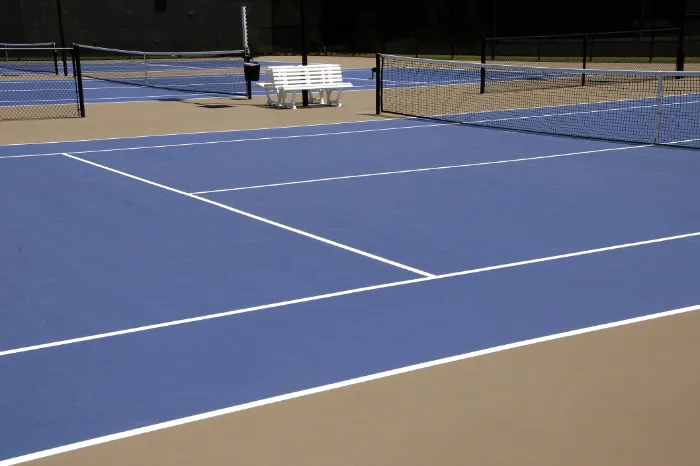
Selecting the appropriate surface material for your tennis court is essential because it affects every aspect of the game. Different surfaces offer varying levels of speed, bounce, and comfort. The choice also influences the maintenance required and the durability of the court over time. Understanding these elements helps you align the court’s characteristics with your needs.
Exploring Popular Surface Options
There are several popular materials used for tennis courts:
- Clay: Offers slower ball speeds and higher bounces. Ideal for players who enjoy longer rallies and softer ground.
- Hard Courts: Provide a consistent bounce and medium pace, making them suitable for most playing styles.
- Grass: Known for fast ball speeds and low bounces. Preferred by those who favor serve-and-volley tactics.
- Synthetic Turf: Mimics grass but with added durability and reduced maintenance needs.
Maintenance Needs for Each Surface Type
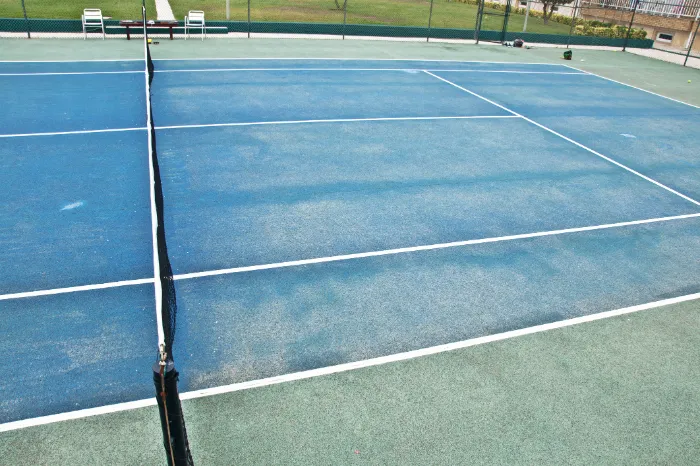
Each surface type presents different maintenance demands. For instance, clay courts need regular watering and leveling to maintain their condition. Hard courts require minimal upkeep but may need resurfacing every few years. Grass courts are labor-intensive due to mowing and care requirements. Considering these factors will help balance initial costs with long-term efforts.
Tennis Court Resurfacing: A Necessary Investment
Periodically, courts undergo resurfacing to ensure optimal play conditions and extend longevity. Whether your court is showing wear or you wish to switch materials, tennis court resurfacing offers a practical solution. This process involves repairing cracks, refreshing paint, and addressing any drainage issues to keep the court in top shape.
Factors Influencing Cost
The cost of building or updating a tennis court varies based on several elements. The chosen surface material greatly influences price; synthetic options usually cost more upfront than natural ones like clay or grass. Additionally, ongoing maintenance expenses should be factored into your budget to avoid unexpected financial strain.
Tennis Court Resurfacing Benefits
Investing in resurfacing provides numerous benefits beyond aesthetic improvements. Restorative measures help prevent injuries by ensuring even footing and consistent ball behavior during games. Regular updates also protect against premature deterioration caused by weather or frequent use.
Tips for Choosing Your Ideal Surface
When selecting your court surface, consider these tips:
- Assess climate conditions in your area to determine which surfaces perform best.
- Evaluate expected usage frequency to choose durable materials that withstand constant activity.
- Factor in overall costs including initial setup and future maintenance expenses.
Your Partner in Creating Quality Tennis Courts
Creating an ideal tennis environment requires careful thought about many aspects. By understanding how different surfaces affect gameplay experience and considering factors such as cost-effectiveness, you can create courts tailored perfectly for players’ enjoyment while minimizing upkeep burden over time. If you’re ready to enhance your facility’s offerings with expert guidance on material selection or have questions regarding potential upgrades through Epic Surfaces, reach us at (951) 216-4440. We proudly serve communities across Temecula, CA with top-tier solutions designed around clients’ specific preferences!